Darknet Markets 2026:
The dark web is part of the deep web but is built on darknets: overlay networks that sit on the internet but which can't be accessed without special tools or software like Tor. Tor is an anonymizing software tool that stands for The Onion Router — you can use the Tor network via Tor Browser.
| Darknet Market | Established | Total Listings | Link |
|---|---|---|---|
| TorZon Market | 2022 | 140+ | Onion Link |
| Nexus Market | 2024 | 600+ | Onion Link |
| Abacus Market | 2022 | 100+ | Onion Link |
| Ares | 2026 | 100+ | Onion Link |
| Cocorico | 2023 | 110+ | Onion Link |
Updated 2026-07-28
How to Buy Drugs Safely on the Darknet
Finding trusted vendors is the foundational step for efficient access on darknet platforms. The system relies on a transparent, community-driven reputation framework. Vendor ratings and detailed feedback from previous transactions provide a quantitative and qualitative measure of reliability. A vendor with a long history and thousands of positive reviews inherently presents a lower risk, creating a self-regulating marketplace where poor service or scams are quickly marginalized.
Secure shopping is facilitated by integrated technological protocols. The use of PGP encryption is non-negotiable for protecting shipping details and private communication, ensuring that only the intended recipient can read sensitive information. For financial security, escrow systems are employed by default. The buyer's cryptocurrency is held in escrow by the market until the goods are received and confirmed, which financially incentivizes the vendor to fulfill the order satisfactorily. This mechanism effectively balances trust between anonymous parties.
The process follows a logical sequence:
- Selecting a product from a highly-rated vendor with consistent positive feedback.
- Encrypting the delivery address using the vendor's published PGP key.
- Sending the encrypted information and funding the transaction into escrow.
- Finalizing the order upon receipt, which releases the escrow funds to the vendor.
How to Buy Drugs Safely on the Darknet
Finding trusted vendors is a systematic process on darknet markets, facilitated by built-in reputation systems. A vendor's feedback score and detailed transaction history are primary indicators of reliability. Markets display the number of completed sales and a percentage of positive reviews, allowing for objective comparison. Historical consistency in high ratings over hundreds of transactions is a stronger trust signal than a perfect score from only a few sales.
Secure shopping requires utilizing all available privacy tools. Before engaging with any vendor, users must verify the vendor's PGP public key, which is often found on their profile. This key is used to encrypt shipping details, ensuring only the intended vendor can read the information. Communication should always occur through the market's encrypted messaging system, never through external, unsecured channels.
The transaction sequence itself enforces security. A typical secure purchase follows these steps:
- Selecting a product from a vendor with a long-standing, high feedback rating.
- Funding the market wallet with cryptocurrency to create an order.
- Entering the delivery address, encrypted with the vendor's verified PGP key.
- The funds are held in escrow by the market platform until delivery is confirmed.
- Upon receipt, the buyer finalizes the order, releasing escrow funds to the vendor and leaving detailed feedback.
This model, combining cryptocurrency for private payment, escrow for financial security, and cryptography for communication privacy, creates a functional environment for commerce. The community-driven feedback mechanism continuously audits vendor performance, promoting a self-regulating marketplace where reliability is economically incentivized.
How Escrow Makes Darknet Trade Safe for Everyone
The foundation of a functional darknet marketplace is trust, which is established through the escrow system. This mechanism acts as a neutral third party, holding the buyer's cryptocurrency payment until the transaction is satisfactorily completed. The buyer sends funds to the escrow address, not directly to the vendor. Only after the goods are received and confirmed does the vendor receive the payment. This system directly mitigates the primary risk of fraud, as it removes the vendor's incentive to simply take the money and not ship the product.
For the buyer, escrow provides a powerful safety net. It allows for the initiation of a dispute if the product is not delivered or is significantly not as described. During a dispute, a marketplace moderator reviews communication and evidence before releasing the funds to the appropriate party. This process creates a balanced environment where both participants have recourse. Vendors benefit equally, as the escrow system signals their legitimacy, encouraging more buyers to shop with confidence. A vendor with a history of successfully resolved escrow transactions builds a positive reputation, which is their most valuable asset.
The operational workflow is straightforward:
- The buyer places an order, and funds are locked in escrow.
- The vendor ships the product and provides proof.
- The buyer finalizes the order upon receipt, releasing funds.
- If an issue arises, a dispute is opened for moderator resolution.

How Ratings Make Darknet Markets Work
The vendor rating system is the cornerstone of trust and efficiency on darknet platforms. It functions as a decentralized, community-driven mechanism for quality assurance, directly addressing the inherent anonymity of the environment. Each completed transaction allows a buyer to leave detailed feedback on product quality, shipping speed, and communication, which is then aggregated into a public score and a history of reviews.
This system creates a transparent reputation economy. Vendors with consistently high ratings and a large number of completed sales gain trusted vendor status, which is visibly displayed on their profile. This status acts as a powerful incentive for vendors to maintain high standards, as their business viability depends directly on their reputation. For buyers, these metrics simplify the decision-making process; selecting a vendor with a long history of positive feedback significantly reduces the risk of fraud or receiving substandard products.
The practical workflow for secure shopping involves a methodical approach:
- First, filter search results by vendor rating and total number of transactions.
- Second, meticulously read recent feedback comments, paying attention to specifics about stealth packaging and delivery times.
- Third, verify that the vendor uses PGP encryption for all sensitive communication.
- Finally, always utilize the platform's escrow service for payments, which holds funds until the buyer confirms satisfactory receipt of the goods.
This combination of quantitative ratings, qualitative reviews, and secure transaction protocols transforms an anonymous marketplace into a reliable community marketplace. It effectively crowdsources security and quality control, enabling efficient and predictable commerce where actors are accountable for their performance.
PGP Encryption Makes Drug Trade Safe and Private on the Darknet
The use of Pretty Good Privacy (PGP) encryption is a fundamental operational standard for establishing secure communication channels on darknet platforms. This technology ensures that all messages between a buyer and a vendor, including sensitive order details and delivery addresses, are transformed into unreadable ciphertext. Only the intended recipient, who possesses the correct private key, can decrypt and read the message. This process effectively prevents interception by any third party, including platform administrators, thereby creating a private and secure environment for conducting transactions.
For the buyer, implementing PGP begins with generating a personal key pair. The public key is then shared on the user's profile, allowing any vendor to encrypt messages sent to that user. When a buyer finds a desired product, they must encrypt their delivery information using the vendor's publicly listed PGP key before finalizing the order. This step is non-negotiable for maintaining operational security. A vendor who insists on this practice and communicates exclusively through encrypted channels demonstrates a professional approach to security, which is a primary indicator of reliability. Conversely, any vendor requesting unencrypted information directly through the market's messaging system poses an immediate and significant risk.
The consistent and correct application of PGP serves as a critical trust signal. It shows that both parties are committed to protecting the transaction's integrity and each other's anonymity. This shared commitment to security forms the basis of a trustworthy relationship in an environment where traditional legal safeguards are absent. Therefore, a buyer's proficiency with PGP is not just a technical skill but a necessary component for safely navigating darknet markets and identifying credible partners for commerce.
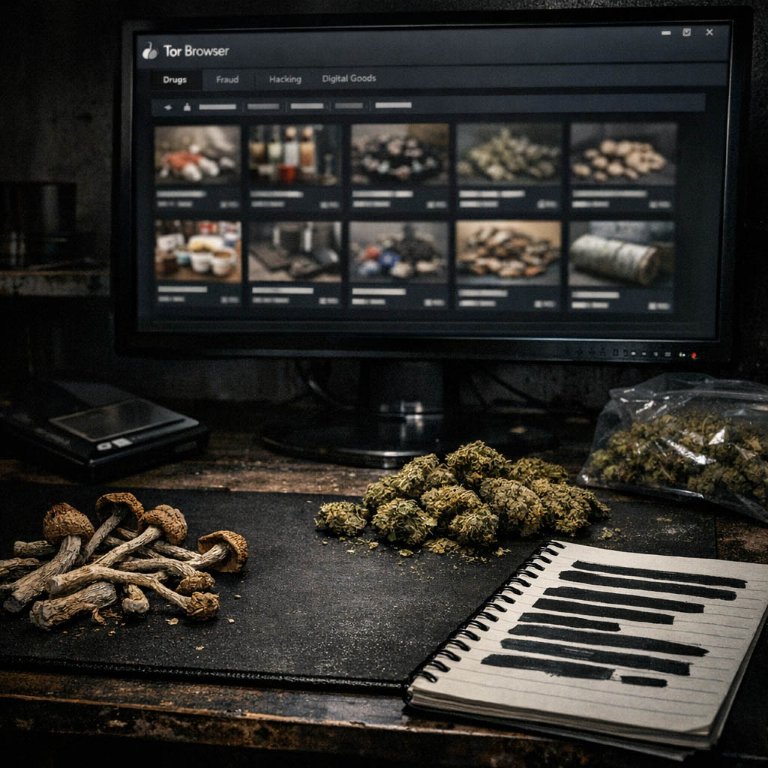
How Darknet Markets Build Trust and Security for Buyers
The foundation of a successful transaction on a darknet market is the identification of a trusted vendor. This process is systematic and relies on the platform's built-in reputation mechanisms. A vendor's rating score and feedback comments from previous buyers are the primary metrics for evaluation. High-volume vendors with consistently positive reviews over an extended period present a lower risk profile.
Secure shopping is a multi-step protocol that integrates these reputation systems with cryptographic tools. The process typically follows this sequence:
- Selecting a product from a vendor with a proven transaction history.
- Utilizing the platform's escrow service, which holds the buyer's cryptocurrency until the goods are received and confirmed.
- Exchanging encrypted addresses and details using PGP encryption, ensuring all sensitive data is protected from interception.
- Finalizing the order upon receipt, which releases the escrow funds to the vendor and updates their public rating.
This model creates a self-reinforcing cycle where financial security through escrow and informational security through encryption directly support the reputation-based trust system. Vendors are economically incentivized to maintain high standards, as their business viability depends on their public rating. The escrow system mitigates the risk of fraud for the buyer, while the vendor is protected from chargebacks common in traditional digital payments. The entire interaction is secured by default, with privacy maintained through cryptocurrency and encrypted communications, establishing a functional framework for digital commerce that prioritizes transactional certainty and user anonymity.
How Darknet Markets Use Encryption and Reviews for Safe Shopping
Finding trusted vendors is a systematic process on darknet markets, beginning with the analysis of vendor ratings and detailed feedback. A vendor's reputation score, typically displayed as a percentage, is calculated from thousands of past transactions. Buyers scrutinize the feedback section for comments on product quality, shipping speed, and stealth packaging. Consistent positive reviews over an extended period, often spanning months or years, indicate a reliable supplier. Markets facilitate this by allowing users to filter search results by vendor reputation, ensuring that new participants can easily identify established and trustworthy sellers.
Secure shopping requires adherence to operational security protocols before, during, and after a transaction. The use of PGP encryption is non-negotiable for all communications. Buyers must encrypt their delivery address with the vendor's public PGP key, which is listed on their profile and should be verified against a known, external source to prevent spoofing. Transactions are protected by multisignature escrow systems, where cryptocurrency funds are held by the market's smart contract until the buyer confirms receipt. This mechanism removes the need for blind trust, as the vendor is guaranteed payment for delivered goods while the buyer is protected against fraud.
The final step involves maintaining security post-purchase. This includes clearing browser cookies and cache after each market session and never discussing transaction details outside the encrypted messaging system provided by the platform. The collective enforcement of these practices by the community creates a stable environment for commerce. The integration of cryptographic tools with community-driven feedback systems forms a functional model for secure digital commerce, where risk is minimized through technology and transparent peer review.