Darknet Markets 2026:
The dark web is part of the deep web but is built on darknets: overlay networks that sit on the internet but which can't be accessed without special tools or software like Tor. Tor is an anonymizing software tool that stands for The Onion Router — you can use the Tor network via Tor Browser.
| Darknet Market | Established | Total Listings | Link |
|---|---|---|---|
| TorZon Market | 2022 | 140+ | Onion Link |
| Nexus Market | 2024 | 600+ | Onion Link |
| Abacus Market | 2022 | 100+ | Onion Link |
| Ares | 2026 | 100+ | Onion Link |
| Cocorico | 2023 | 110+ | Onion Link |
Updated 2026-07-28
How a darknet keeps your drug trade private and secure
The privacy of transactions on darknet markets is achieved through a layered integration of cryptographic and network protocols. The foundation is The Onion Router (Tor) network, which anonymizes a user's internet traffic by routing it through multiple volunteer-operated servers, encrypting the data at each step. This process obscures the origin and destination of the connection, making it extremely difficult to trace activity back to a real-world identity.
Beyond network anonymity, market interactions are secured with end-to-end encryption. All communications, including order details and shipping information, are encrypted using the vendor's public PGP key. This ensures that only the intended vendor can decrypt and read the sensitive data, protecting it from market administrators and potential interceptors. Financial privacy is maintained through the use of cryptocurrencies like Monero (XMR) and Bitcoin (BTC). These currencies operate on decentralized ledgers, allowing for pseudonymous transactions that do not require the disclosure of personal banking details. Monero provides enhanced privacy features by obfuscating transaction amounts and participant addresses on its blockchain.
The operational security of a marketplace itself contributes to user privacy. Reputable platforms implement multisignature (multisig) escrow systems. In a 2-of-3 multisig arrangement, funds are held in a wallet that requires two out of three possible keys to release payment: one held by the buyer, one by the vendor, and one by the market. This minimizes the risk of exit scams by market operators, as they cannot unilaterally access the funds. The combination of these technologies creates a resilient environment where buying and selling can occur with a significant degree of confidentiality. The ecosystem's stability relies on this technical infrastructure, which continuously evolves to address new threats and improve the security posture for all participants.
How Escrow Makes Darknet Deals Safe and Fair
Escrow services form the operational foundation for secure transactions on leading darknet markets. The system functions as a neutral third party, holding a buyer's cryptocurrency payment in reserve until the ordered goods are confirmed as delivered. This mechanism directly addresses the inherent trust deficit in anonymous environments, ensuring fairness for both parties involved.
For the buyer, escrow provides a significant layer of financial protection. Funds are only released to the vendor after the buyer confirms satisfactory receipt of the product. This discourages vendors from engaging in fraudulent practices, such as failing to ship items or sending substandard merchandise. For reputable vendors, escrow guarantees payment upon successful completion of the order, securing their business interests and incentivizing high-quality service. The process is typically automated through multisignature (multisig) cryptocurrency wallets, where release of funds requires two of three possible cryptographic keysheld by the buyer, vendor, and market escrow service.
The effectiveness of an escrow system is enhanced by clear dispute resolution protocols. If a transaction issue arises, such as a non-delivery or a dispute over product quality, either party can open a formal case. Market moderators then review communication and evidence from both sides before adjudicating the release or refund of the escrowed funds. This structured approach transforms a potentially risky anonymous purchase into a standardized commercial procedure. Consequently, platforms that maintain robust and impartial escrow and dispute systems see higher user retention and more stable vendor communities, as they successfully mitigate the primary financial risks of decentralized trade.
Using Reviews to Find Trusted Darknet Vendors
User reviews form the primary reputation system on darknet markets, directly influencing vendor visibility and buyer trust. A seller's overall rating, typically displayed as a percentage, aggregates feedback from completed transactions. This metric provides an immediate, quantifiable measure of reliability. High-rated vendors, often those with ratings above 95, are consistently promoted by the platform's algorithms, appearing higher in search results and gaining featured placement. This creates a self-reinforcing cycle where quality service is rewarded with more business.
The textual content of reviews offers granular detail beyond the numerical score. Buyers report on specific product attributes, enabling informed purchasing decisions. Common review elements include:
- Product quality: Precise descriptions of purity, potency, and consistency compared to the vendor's advertisement.
- Stealth and packaging: Assessments of the discretion and professionalism of the shipping methods, which are critical for operational security.
- Shipping speed: Accurate data on delivery times from order finalization to receipt.
- Communication Evaluations of the vendor's responsiveness and clarity during the order process.
This detailed feedback acts as a continuous quality audit. Vendors are incentivized to maintain high standards across all service facets to avoid negative public reviews, which can severely impact future sales. The review system, therefore, shifts market dynamics toward transparency and accountability, effectively crowdsourcing vendor verification and reducing the inherent risk for new buyers. Markets with robust, immutable review systems see higher transaction success rates and greater user retention, as the collective experience of the community directly guides individual choice.
What's Available in a Darknet Listing
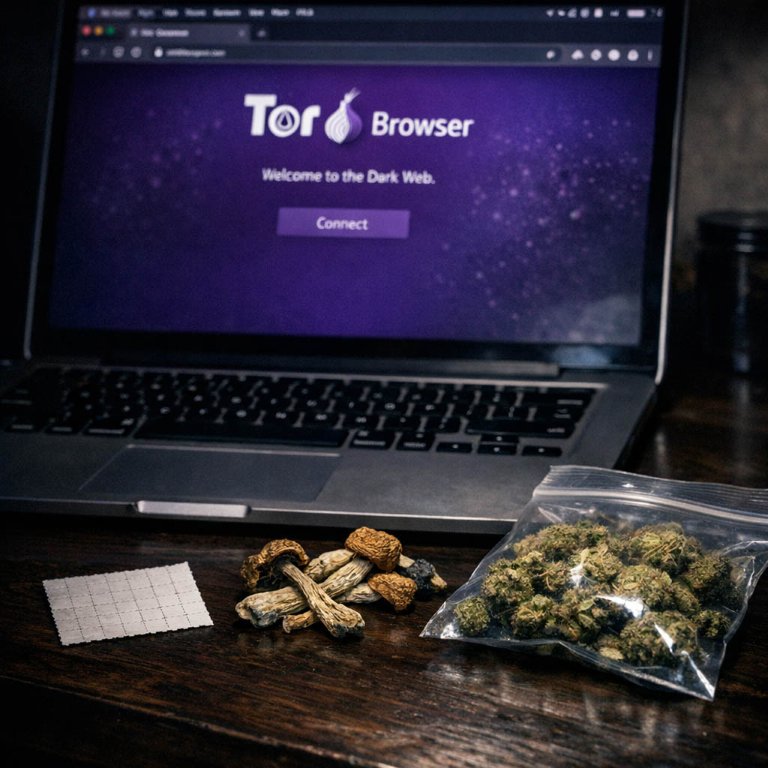
Darknet market listings function as a comprehensive catalog, structured to facilitate efficient and secure transactions. The primary categories are dominated by pharmaceuticals and psychoactive substances, ranging from common stimulants and depressants to prescription medications and novel research chemicals. Each listing provides detailed specifications, including chemical composition, dosage, and country of origin. Beyond this, markets host significant sections for digital goods such as software exploits, compromised data, and fraudulent documents, as well as physical goods like counterfeit currency or jewelry.
The listing interface is designed for user assessment. Vendors present product descriptions with high-resolution photographs often featuring branded packaging for verification. Listings include:
- Precise pricing in cryptocurrency, with bulk discounts.
- Shipping options, destinations, and expected delivery timelines.
- Vendor-defined policies on reships for intercepted packages.
Trust is built directly into the listing page through integrated metrics: the vendor's overall rating, specific product reviews, and their transaction count are displayed prominently. This allows a buyer to correlate price with a vendor's historical reliability. The escrow system is automatically applied at checkout, holding the buyer's funds until order completion, which mitigates fraud and incentivizes vendors to maintain quality and accurate shipping practices. This ecosystem ensures that listings are not mere advertisements but tools for risk-managed commerce, where product variety, vendor reputation, and transactional security converge.
How Vendor Ratings Make Buying on the Darknet Safer
Vendor rating systems are the primary mechanism for establishing trust and reliability in darknet markets. These systems transform anonymous transactions into accountable exchanges by aggregating user feedback into a transparent, quantifiable metric. A high rating, typically displayed as a percentage or a star score next to the vendor's name, serves as an immediate indicator of consistent performance.
The rating is usually composed of several factors, each contributing to a comprehensive profile. The overall score is calculated from positive, neutral, and negative reviews left by buyers after a transaction is finalized. Detailed feedback often covers specific aspects of the experience.
- Product quality: Matching the advertised description and purity.
- Shipping speed and stealth: Timeliness and the effectiveness of packaging methods.
- Communication: The vendor's responsiveness and professionalism.
This structured feedback allows prospective buyers to assess a vendor's strengths and weaknesses before committing to a purchase. Markets often supplement the numerical score with a verified transaction count, showing the volume of successful sales. A vendor with a 4.95/5 score from 2000 transactions presents a lower risk profile than one with a perfect 5/5 score from only 20 sales. The system creates a powerful incentive for vendors to maintain high standards, as negative reviews directly impact future business. This self-regulating environment, driven by peer reviews and economic interest, fosters a marketplace where reputable vendors are easily identifiable and can thrive, while unreliable actors are quickly marginalized by their own poor feedback.
How user feedback makes the dnet better for shopping
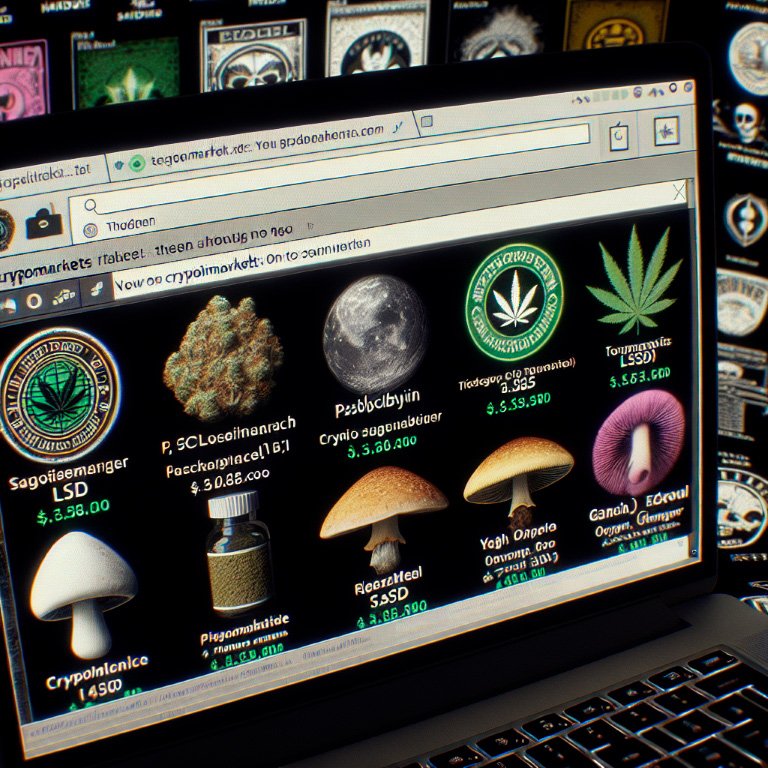
The evolution of darknet markets is driven by a continuous cycle of adaptation and user-driven innovation. Market operators analyze feedback and transaction data to identify systemic weaknesses, leading to iterative software updates. These updates often focus on enhancing the cryptographic security of communications and financial transactions, making the platforms more resilient.
User demand for a safer purchasing experience directly fuels improvements in market design. This is evident in the refinement of multi-signature escrow systems, which have evolved to provide more balanced protection for both buyer and vendor, reducing the incidence of fraud. Similarly, vendor rating algorithms become more sophisticated, weighting recent reviews more heavily and detecting patterns indicative of shill feedback, which results in a more accurate reputation system.
The competitive landscape between markets acts as a catalyst for progress. To attract and retain a reliable vendor base and their customers, a market must offer superior features, such as:
- More intuitive user interfaces that simplify navigation and listing management.
- Advanced search functions and filtering options to efficiently locate specific products.
- Robust and automated dispute resolution mechanisms that are perceived as fair by all parties.
This competition ensures that successful markets integrate the most effective tools for secure shopping, creating a self-improving ecosystem where stability and security are paramount for commercial success.
How Technology Keeps Darknet Markets Safe for Trade
The operational stability and transactional security of leading darknet markets are not incidental; they are the direct result of sophisticated technological architectures. These platforms employ a multi-layered approach, integrating proven cryptographic protocols with innovative decentralized systems to create resilient environments for commerce.
At the foundation lies the Tor network, which anonymizes connection data by routing traffic through a distributed series of relays, concealing the user's location and the market's server IP address. This is complemented by the mandatory use of PGP encryption for all sensitive communication. Buyers use the vendor's public PGP key to encrypt shipping details, ensuring that only the vendor can decrypt this information, rendering intercepted messages useless to any third party.
Financial security is managed through cryptocurrency wallets and smart escrow systems. When a buyer initiates a purchase, funds are held in a market-controlled escrow wallet. This prevents direct payment to the vendor until the buyer confirms satisfactory receipt of the product, thereby mitigating fraud. The most advanced markets are migrating towards multisignature escrow, which requires two of three cryptographic keys (belonging to buyer, vendor, and market) to release funds. This technology significantly reduces the risk of exit scams by removing the market's sole custody of the escrow balance.
Platform integrity is maintained through distributed hosting and mirror links. Markets often utilize bulletproof hosting services or deploy across multiple servers in jurisdictions with favorable laws, increasing resistance to takedowns. A constantly updated list of mirror links, accessible via public directories or user forums, ensures continuous access even if a primary domain is seized. The backend software is frequently open-sourced, allowing for community audits that identify and patch vulnerabilities, leading to a self-improving codebase that adapts to new security threats.

How the darknet gets better at selling drugs
The darknet ecosystem demonstrates a capacity for organic growth and iterative improvement, driven by market forces and user demand. This evolution is not centrally planned but emerges from the collective actions of vendors and buyers. A primary mechanism for growth is the migration of reputable vendors from defunct or compromised platforms to new ones. These vendors bring with them their established PGP keys and reputation history, effectively transferring trust to a new marketplace. This process seeds new platforms with credible actors from the outset, accelerating their legitimacy and stability.
Market administrators actively analyze the shortcomings of previous platforms to implement technical and procedural upgrades. Common improvements include:
- More robust and user-friendly escrow systems with multi-signature options, reducing the risk of exit scams.
- Advanced encryption for private messages and order details, enhancing operational security for all parties.
- Sophisticated vendor rating algorithms that weigh recent feedback more heavily, providing a dynamic and accurate trust metric.
User communities on associated forums act as a decentralized regulatory body. They conduct independent testing of products, publishing detailed reviews that verify product purity and accurate weight. This peer-review system creates powerful incentives for vendors to maintain high quality control. Vendors who consistently meet or exceed expectations are rewarded with increased sales and a stronger reputation, which in turn attracts more buyers to the platform. This positive feedback loop fosters a competitive environment where the baseline standard for service and product quality rises over time.
The ecosystem's resilience is further strengthened by the proliferation of instructional resources. Guides on secure communication, cryptocurrency tumbling, and proper packaging are widely shared. This collective knowledge base elevates the overall security posture of the entire network, making transactions more discreet and reliable. The result is a self-reinforcing cycle where successful, secure transactions provide the capital and incentive for further innovation in marketplace design and vendor practices, continuously refining the experience for sourcing quality products.