Darknet Markets 2026:
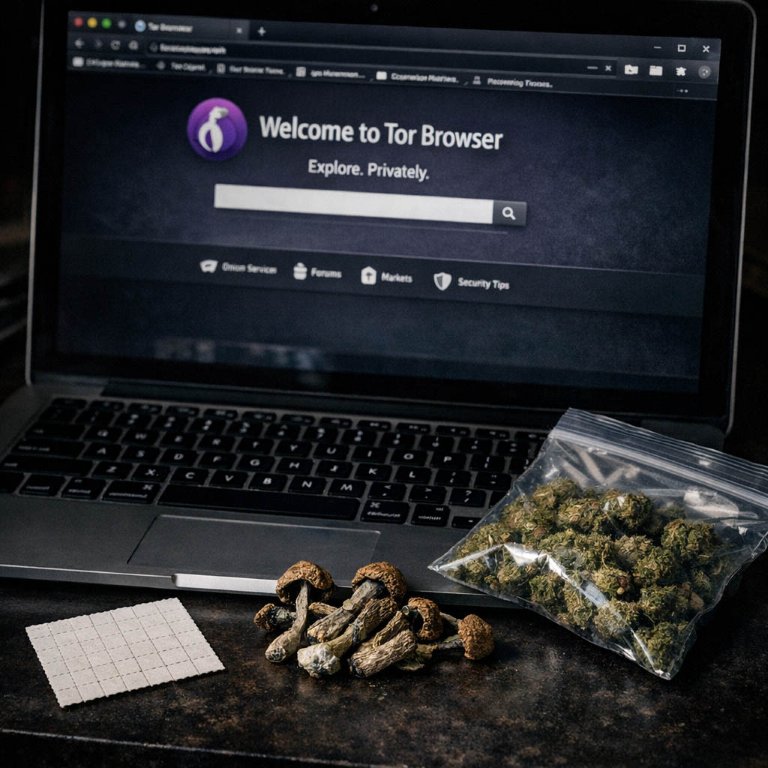
The dark web is part of the deep web but is built on darknets: overlay networks that sit on the internet but which can't be accessed without special tools or software like Tor. Tor is an anonymizing software tool that stands for The Onion Router — you can use the Tor network via Tor Browser.
| Darknet Market | Established | Total Listings | Link |
|---|---|---|---|
| TorZon Market | 2022 | 140+ | Onion Link |
| Nexus Market | 2024 | 600+ | Onion Link |
| Abacus Market | 2022 | 100+ | Onion Link |
| Ares | 2026 | 100+ | Onion Link |
| Cocorico | 2023 | 110+ | Onion Link |
Updated 2026-07-28
How to Buy Drugs Safely on the Darknet
Darknet markets function as specialized e-commerce platforms that facilitate anonymous transactions. They operate on overlay networks like Tor or I2P, which conceal a user's IP address and location. This foundational layer of network anonymity is the first critical component for private shopping.
Transactions are conducted using cryptocurrencies such as Bitcoin or Monero. These digital currencies provide a financial layer of privacy by operating on a pseudonymous blockchain, separating transactional activity from real-world identities. The use of crypto eliminates the need for traditional banking systems, enabling secure and borderless payments.
To establish trust in an anonymous environment, markets implement a feedback and review system. After completing a purchase, buyers can leave detailed reviews and rate the product quality, shipping speed, and vendor communication. This creates a transparent reputation mechanism for each vendor.
The accumulated feedback forms a vendor's public reputation score, which is displayed on their profile. High ratings and positive reviews signal reliability and product consistency. This system incentivizes vendors to maintain high standards, as their business success directly depends on their reputation. New buyers can make informed decisions by studying this historical data.
For higher-value transactions, escrow services are often available. The buyer's cryptocurrency is held in escrow by the market until the product is received and confirmed. Only then is the payment released to the vendor. This mechanism protects buyers from scams and ensures vendors are paid for delivered goods.
The combination of these elements creates a functional ecosystem:
- Network anonymity via Tor/I2P protects user identity.
- Cryptocurrency enables private financial transactions.
- Vendor reviews and ratings build a verifiable trust framework.
- Escrow services secure the actual transaction process.
This integrated approach allows darknet markets to offer a secure and anonymous shopping experience. The decentralized and peer-to-peer nature of the system places control in the hands of users, who collectively enforce quality and reliability through continuous feedback.
How Cryptocurrency Makes Shopping on the Darknet Private and Safe
The operational foundation of darknet markets relies on cryptocurrency for financial transactions. This method provides a necessary layer of privacy and security that traditional banking cannot offer. Transactions using currencies like Bitcoin or Monero are pseudonymous, meaning they are not directly tied to the real-world identities of the buyer or seller. This financial anonymity is a core component of the ecosystem, enabling discreet commerce.
The process integrates directly with the system of vendor reviews and ratings. When a user selects a product, they examine the seller's historical feedback. This creates a transparent mechanism for quality assurance. High-rated vendors with consistent positive reviews demonstrate reliability, which reduces risk for the buyer. The payment, held in escrow until order completion, is only released after the buyer confirms satisfactory receipt of the goods. This structure incentivizes honest trade and high-quality products.
Security is further enhanced by the decentralized nature of both the payment network and the market platforms themselves. Transactions are recorded on a public ledger, but identities are protected through cryptographic keys. The combination of these elements results in a functional environment for safe and anonymous shopping. The key components work in sequence:
- A buyer selects a vendor with a strong reputation score.
- Payment is made in cryptocurrency to a secured escrow account.
- The vendor ships the product.
- The buyer confirms delivery and quality, releasing funds.
- Both parties leave feedback, reinforcing the reputation system for future transactions.
How Escrow Makes Darknet Shopping Safer
Trust is a fundamental requirement for any marketplace, and darknet platforms address this through a specialized escrow system. This mechanism acts as a neutral third party, holding the buyer's cryptocurrency payment securely until the transaction is satisfactorily completed. The process is straightforward but highly effective for building confidence.
When a purchase is made, funds are sent to the market's escrow wallet, not directly to the vendor. The vendor ships the product only after seeing the payment is secured in escrow. Upon receiving the order, the buyer finalizes the transaction, releasing the funds from escrow to the vendor. This system directly protects the buyer from scams where a vendor might take payment and not deliver. It equally protects honest vendors from fraudulent buyers who might falsely claim non-receipt to get a refund.
The escrow model is reinforced by the platform's feedback and rating systems. A vendor with a long history of successfully completed escrow transactions accumulates positive reviews, which are publicly visible. This creates a transparent reputation economy. Disputes are managed through a resolution center where moderators can review communication and evidence before deciding to release escrow funds or return them to the buyer. This layered approachcombining secured payments with community-driven reputationcreates a self-regulating environment where secure and anonymous shopping with crypto becomes a practical reality, minimizing risk for all conscientious participants.

Find What You Need Safely on the Darknet
The product diversity on darknet markets is a direct function of their operational principles. The anonymous access provided by networks like Tor and the private payments enabled by cryptocurrencies create an environment where a vast array of goods can be listed without the geographical and legal constraints of conventional e-commerce. This results in catalogues that are notably extensive, covering categories from digital goods and services to physical items, with a particular emphasis on psychoactive substances. The availability of such a wide selection is sustained by the decentralized peer-to-peer model, which allows numerous independent vendors to operate within a single platform.
This selection is made safer for the consumer through integrated systems of cryptocurrency escrow and vendor review systems. When a buyer selects a product, funds are typically held in a secured escrow account until the order is fulfilled. This mechanism protects the buyer from fraudulent vendors. Concurrently, the transaction's outcome feeds into a public feedback system. These user reviews and ratings are critical; they provide transparent data on product purity, shipping reliability, and vendor communication. A vendor's reputation, built over hundreds of transactions, becomes their most valuable asset, creating a self-regulating ecosystem where quality and consistency are rewarded with more business.
The process for the user is streamlined:
- A buyer navigates the market using anonymity software.
- They select a product from a vendor with a established positive feedback history.
- Payment is made in cryptocurrency to a platform-managed escrow.
- Upon receipt and verification of the product, the buyer releases the escrow funds.
- An honest review is left, contributing to the market's collective knowledge.
Therefore, the wide availability of products is not an uncontrolled feature. It is balanced by a trust architecture built on financial security via escrow and quality assurance via peer reviews. This combination allows these platforms to function as complex, user-driven marketplaces where selection and safety are intrinsically linked through technological and social frameworks.
How User Reviews Keep Darknet Product Quality High
The feedback system is a core mechanism for quality control on darknet markets. Unlike traditional e-commerce, these platforms operate without formal regulatory oversight, making user-generated reviews and vendor ratings the primary tools for establishing trust and ensuring product standards. This peer-driven model creates a self-regulating environment where accurate information is incentivized.
When a buyer receives an order, they are encouraged to leave detailed feedback. This typically includes a numerical rating for the product and the vendor's service, along with a written description of their experience. High ratings for a vendor directly translate into increased sales and visibility on the platform. Conversely, consistent negative reviews regarding product purity, weight, or shipping speed will damage a vendor's reputation, often leading to a loss of business. This economic pressure compels vendors to maintain consistent quality and reliable service.
The review process is enhanced by several platform features designed to verify authenticity. Many markets implement a verified purchase tag, confirming that the reviewer actually completed a transaction. This prevents vendors from artificially inflating their scores with fake reviews. Furthermore, the escrow system, which holds payment until delivery is confirmed, ensures that buyers can leave honest feedback without fear of financial retaliation from the vendor.
The collective result is a transparent and dynamic repository of consumer information. Potential buyers can analyze a vendor's historical performance, read specific details about product effects, and assess shipping times before making a purchase. This system effectively crowdsources quality assurance, allowing the community to collectively identify and promote reliable vendors while marginalizing those who provide substandard products.
How Vendors Earn Trust with Customer Reviews on the Darknet
The reputation system on a darknet market functions as its primary quality control mechanism, directly replacing the regulatory frameworks found in conventional commerce. A vendor's digital reputation, built entirely from transactional feedback, is their most valuable asset. This system operates on transparent, peer-generated data where every completed sale can result in a public review and a rating, typically on a five-star scale.
Buyers leave detailed feedback covering product quality, shipping speed, stealth packaging, and communication. This creates a permanent, searchable record. A vendor with hundreds of positive reviews and a high average score signals consistency and reliability to the community. New buyers can assess this history before making a purchase, significantly reducing uncertainty. The process is self-reinforcing: successful transactions boost a vendor's standing, which attracts more business, incentivizing the vendor to maintain high standards to protect their investment in their reputation.
The structure of feedback often includes:
- Product-specific comments on purity and accuracy.
- Ratings for shipping and handling discretion.
- Notes on the vendor's professionalism and responsiveness.
This multi-dimensional rating allows vendors to specialize and be recognized for particular strengths, such as exceptional stealth or high-purity products. Conversely, a pattern of negative feedback regarding underweight orders or poor quality will quickly diminish a vendor's standing, effectively marginalizing them within the market. The system creates a form of organic regulation, where trust is decentralized and established through cumulative, verifiable peer experiences rather than central authority.
How Decentralized Networks Make Darknet Shopping Safe and Reliable
The operational resilience of darknet markets is fundamentally derived from their decentralized architecture. Unlike traditional e-commerce platforms that rely on a central server, these markets operate on peer-to-peer (P2P) networks and often utilize distributed hosting solutions. This structure means there is no single point of failure for law enforcement or malicious actors to target. If one node or server is taken offline, the network can continue to function through other participants, ensuring persistent availability for users seeking privacy.
This decentralization directly enables the core promise of safe and anonymous shopping. Transactions are conducted directly between buyer and vendor, facilitated by cryptocurrency like Bitcoin or Monero. The blockchain provides a public ledger of transactions, but when combined with proper wallet hygiene and optional tumbling services, it severs the direct link between a user's identity and their financial activity on the market. The P2P model eliminates the need for trusted third-party financial institutions, placing control of funds solely in the hands of the transacting parties until release from escrow.
Trust within this trustless environment is engineered through transparent vendor reviews and ratings. Every transaction culminates in a feedback system where buyers publicly rate:
- The accuracy of the product description.
- The stealth and professionalism of shipping.
- The quality of the product itself.
- The timeliness of communication.
This creates a self-regulating ecosystem where a vendor's reputation is their most valuable asset. High ratings and detailed positive feedback serve as a reliable proxy for trust, allowing buyers to make informed decisions based on collective experience rather than blind faith. The decentralized network ensures this reputation data is replicated and preserved across the system, making it resistant to manipulation by any single entity.

How Darknet Markets Use Privacy Tech for Safer Trade
The operational model of darknet markets is fundamentally built on providing security and anonymity to its participants. This is achieved through a combination of technological infrastructure and community-driven systems. The use of cryptocurrencies like Bitcoin and Monero is central, as it allows for financial transactions that are pseudonymous and do not rely on traditional banking systems. This layer of financial privacy is a primary feature, separating the user's identity from their purchasing activity.
Beyond payment privacy, the markets implement robust communication protocols. All interactions between buyers and vendors are encrypted, typically using PGP encryption, ensuring that order details and addresses remain confidential and cannot be intercepted. The platforms themselves operate on Tor or I2P networks, which obfuscate the user's IP address and the location of the market servers, making direct tracing exceptionally difficult.
Community feedback mechanisms directly support security by building trust. A vendor's reputation score and detailed user reviews act as a continuous audit. Buyers consistently report on:
- The accuracy of product description versus what was received
- The stealth and professionalism of packaging
- The speed and reliability of shipping
How Direct User Trade Makes Darknet Shopping Safe and Reliable
The direct exchange model is the operational foundation of darknet markets, enabling a secure and anonymous commercial environment. This peer-to-peer framework removes traditional intermediaries, allowing buyers and sellers to interact directly. Transactions are conducted using cryptocurrencies like Bitcoin or Monero, which provide a layer of financial privacy by obscuring the parties' identities through blockchain pseudonymity. This system is not a simple listing service; it is a self-contained economy built on cryptographic principles.
Trust within this model is established and maintained through a transparent feedback and review system. After completing a transaction, buyers leave detailed reviews and ratings on the vendor's profile. This creates a verifiable reputation for each seller, directly influencing their success on the platform. High-rated vendors with consistent positive feedback naturally attract more business, creating a powerful incentive for reliable service and quality products. The review system acts as a decentralized quality control mechanism, where the community collectively polices the marketplace.
The process is further secured by the mandatory use of escrow services managed by the market itself. Funds from a buyer are held in escrow until the product is delivered and confirmed. Only then is the payment released to the vendor. This protects both parties: buyers are assured they will not be scammed, and vendors are guaranteed payment for fulfilled orders. The combination of direct peer-to-peer interaction, cryptocurrency payments, immutable reputation systems, and secured escrow creates a resilient ecosystem for anonymous shopping. This model demonstrates how decentralized networks can facilitate complex trade with a high degree of user security and transactional privacy, functioning effectively outside conventional financial and regulatory systems.