Darknet Markets 2026:
The dark web is part of the deep web but is built on darknets: overlay networks that sit on the internet but which can't be accessed without special tools or software like Tor. Tor is an anonymizing software tool that stands for The Onion Router — you can use the Tor network via Tor Browser.
| Darknet Market | Established | Total Listings | Link |
|---|---|---|---|
| TorZon Market | 2022 | 140+ | Onion Link |
| Nexus Market | 2024 | 600+ | Onion Link |
| Abacus Market | 2022 | 100+ | Onion Link |
| Ares | 2026 | 100+ | Onion Link |
| Cocorico | 2023 | 110+ | Onion Link |
Updated 2026-07-28
How Drug Sales Work Safely on the Darknet
Darknet markets operate on encrypted networks like Tor or I2P, which conceal a user's location and identity. This encryption creates a secure environment for e-commerce where privacy is the primary feature. Accessing these sites requires specific software that routes internet traffic through multiple layers of encryption, making transactions difficult to trace. The market itself functions similarly to conventional e-commerce platforms but with a focus on anonymity. Sellers list their products, and buyers browse these listings, using cryptocurrency as the medium of exchange. The entire system is designed to facilitate trade by protecting the identities of all parties involved, which is a fundamental requirement for this type of commerce.
The architecture relies on a decentralized model, with servers often hidden in jurisdictions with favorable laws. Communication between users and the market is encrypted end-to-end. Transactions are finalized using a multi-signature escrow system, where funds are held by the market until the buyer confirms receipt of the goods. This mechanism builds trust and reduces the risk of fraud. The use of cryptocurrency wallets, separate from the market interface, adds another layer of financial privacy. These technical foundations make darknet markets resilient and functional for their user base, providing a consistent and reliable service for acquiring a variety of goods.
How Cryptocurrencies Make Shopping on the Darknet Easy and Private
Cryptocurrencies are the fundamental engine of darknet commerce, enabling a system of trade that is both private and borderless. Their design directly addresses the core requirements of these platforms. Transactions using coins like Monero or Bitcoin are pseudonymous by default, meaning they are not directly tied to a person's real-world identity like a bank card would be. This provides a layer of privacy for both the buyer and the seller that traditional financial systems cannot offer.
The decentralized nature of these currencies means no central bank or government can freeze or reverse a payment, which empowers the market's operational independence. For the user, this translates to a direct and often faster transfer of value. The process is streamlined: a buyer funds their market wallet, places an order, and the cryptocurrency is held in escrow until the goods are received and confirmed. This creates a trustless environment where the digital currency itself acts as the secure medium of exchange, facilitating global trade without the hurdles of currency conversion or international banking fees.
The evolution towards privacy-centric coins like Monero is a logical progression, as its protocol obscures transaction details more thoroughly than Bitcoin, offering enhanced security. This financial infrastructure makes darknet markets viable, providing a practical and efficient method for conducting transactions that users find reliable for their shopping needs.
How Vendor Ratings Make Darknet Shopping Safer
Vendor ratings are the primary mechanism for establishing trust and ensuring transactional reliability on darknet markets. These systems function as a decentralized reputation framework, where a seller's history is permanently recorded and publicly accessible. A high rating, accumulated over many successful sales, directly correlates with a lower risk of fraud for the buyer.
The rating is typically composed of several elements. The overall score, often a percentage or star value, provides a quick reference. More detailed analysis comes from the feedback comments left by previous buyers, which describe the quality of the product, the speed of shipping, and the professionalism of communication. Markets also display key statistics such as:
- Total number of completed transactions
- Number of disputes and their resolution rate
- The period the vendor has been active on the platform
This transparency allows buyers to make informed decisions. A vendor with thousands of transactions and a 98 positive rating presents a significantly different risk profile compared to a new vendor with only a few sales. The system incentivizes honest business practices, as negative feedback or unresolved disputes can severely damage a vendor's ability to attract future customers. For optimal safety, buyers are advised to consistently patronize vendors with long-standing, positive reputations and to meticulously read recent feedback before making any purchase.
How Escrow Makes Darknet Trade Safe for Buyers and Sellers
Escrow services are a fundamental security feature on reputable darknet markets, acting as a trusted third party to facilitate secure transactions. The process begins when a buyer places an order and sends the cryptocurrency to a market-controlled escrow wallet. The funds are held securely by the market itself and are not released to the seller until the buyer confirms satisfactory receipt of the goods. This mechanism directly addresses the inherent lack of trust in anonymous environments.
For the buyer, escrow provides a powerful form of purchase insurance. If an item never arrives or is significantly not as described, the buyer can open a dispute. Market moderators then review the evidence from both parties and can rule to refund the escrowed funds to the buyer. This discourages sellers from engaging in fraudulent "selective scamming" where they might ignore some orders. For the seller, escrow guarantees that payment has been made and is secured before they ship their product. It protects them from fraudulent chargebacks, a common issue in traditional e-commerce, as the cryptocurrency transaction cannot be reversed once released from escrow with buyer approval.
The typical workflow involves several clear steps:
- The buyer orders and payment is locked in escrow.
- The seller ships the product.
- The buyer finalizes the order upon receipt, triggering the release of funds.
- If an issue arises, a dispute is filed and moderated.
This system creates a balanced marketplace where both parties can engage in trade with reduced risk, fostering a more stable and reliable commercial environment for acquiring desired products.
What You Can Find on a Darknet Market
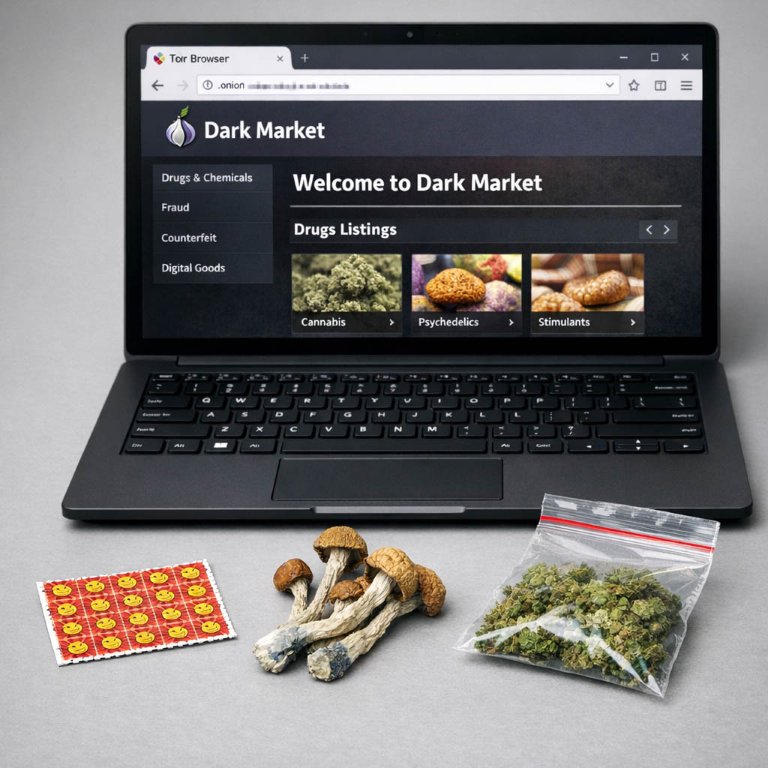
The product diversity on a darknet market is a primary indicator of its vitality and utility. A robust catalog signifies a healthy ecosystem with competitive pricing and vendor specialization. The most prevalent and economically significant category is drugs and chemicals. These platforms offer a range from cannabis and stimulants to prescription medications and novel psychoactive substances, often with detailed descriptions regarding purity and origin. This variety provides consumers with informed choice and access to products that may be restricted or stigmatized in their local jurisdictions.
Beyond narcotics, digital goods constitute a major segment. This includes:
- Stolen data and credentials, such as credit card details, login information, and compromised accounts.
- Fraud-related services like phishing kits, counterfeit documents, and cash-out methods.
- Software exploits and malware designed for system intrusion or data theft.
Physical goods are also traded, though less frequently. These can range from counterfeit currency and electronics to restricted literature. Furthermore, a subset of markets hosts services from computer security experts and for-hire digital services, operating with a level of anonymity traditional platforms cannot offer. The breadth of these categories demonstrates the darknet's function as a multifaceted commercial environment, with drug sales acting as its most prominent and economically driving sector.
How Market Fees and Cryptocurrencies Make Shopping Easier
Market fees are a standard operational cost on darknet platforms, directly funding the infrastructure that ensures stability and security for all users. These fees, typically a small percentage of each order, are automatically deducted by the market's escrow system upon a successful transaction. This model incentivizes the market administrators to maintain a reliable platform, as their revenue is tied directly to the volume of successful trades between buyers and vendors.
Cryptocurrencies are the exclusive medium of exchange, with Monero (XMR) and Bitcoin (BTC) being the most widely accepted. Monero is increasingly favored for its enhanced privacy features, as its blockchain obscures transaction details, making it the preferred currency for discreet shopping. Bitcoin remains common, but its transparent ledger requires users to employ additional tumbling services for anonymity. When selecting a market from a dark web market list, verifying the accepted currencies is a primary step, as it dictates the necessary preparation for your cryptocurrency wallet.
The fee structure usually comprises two components:
- A buyer fee, which is a minor percentage added to the total order cost.
- A vendor bond or commission, which the seller pays from their earnings, covering listing costs and market services.
Find Good Darknet Markets with a List
A curated darknet market list serves as the primary tool for efficient navigation. These lists aggregate operational platforms, providing direct links and essential metrics. They function as dynamic directories, updated regularly to reflect the current state of various cryptocurrency-based marketplaces.
The utility of a list is measured by the quality of its data. A reliable list includes:
- Market status (online/offline)
- Direct onion links
- Accepted cryptocurrencies
- Fee structures
- User feedback on uptime and support
This information allows for a comparative analysis. Markets with a long-standing presence and consistent positive feedback on these lists generally indicate a stable platform. Newer markets may offer promotional fee structures but carry higher operational risk. The process involves cross-referencing multiple lists to verify a market's legitimacy and activity level before engagement.
Ultimately, a well-maintained list reduces the time spent searching for functional venues and increases the probability of a secure transaction by directing users towards established ecosystems with proven escrow systems and vendor rating mechanisms.